
Blog posts tagged "Internet of things"

This blog post dives into the world of AI on the edge, and how to deploy TensorFlow Lite models on edge devices. We’ll explore the challenges of managing dependencies and updates for these models, and how containerisation with Ubuntu Core and Snapcraft can streamline the process. Let’s start by defining what TensorFlow and its Lite

Intel® Innovation, one of Intel®’s flagship developer events, continues to span the worlds of architecture innovation, software tools and technology & research. Canonical is proud to be the silver sponsor in 2023 and will demonstrate our joint solutions from cloud to the edge. As industry leaders in hardware and software, Intel and Canon
![What does OTA mean? [Part I]](https://ubuntu.com/wp-content/uploads/be42/andrew-wulf-Tc3c8ZDIbxw-unsplash.jpg)
In the second part of this blog series, we cover the top 3 reasons why OTA updates are important. Read more about the importance of OTA technology in the blog post here. OTA is a term commonly used when working with any type of device. Simply, the abbreviation OTA means ‘over-the-air’, and refers to the
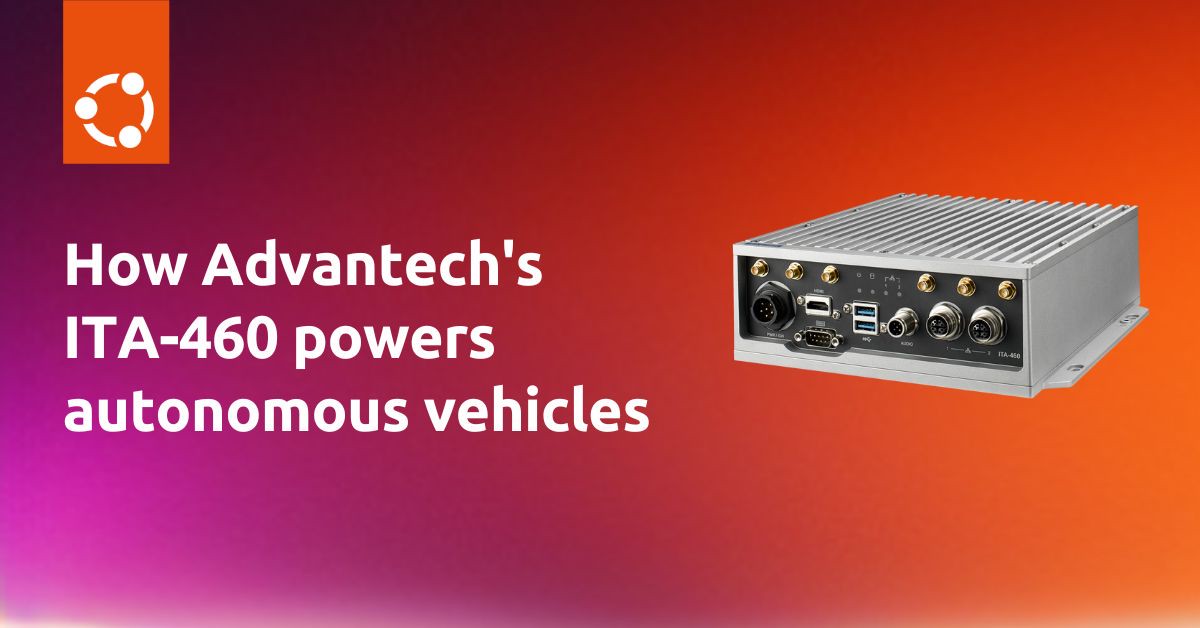
You’ve probably heard about the Internet of Things but what about the Artificial Intelligence of Things? Yes, connected things are also getting smarter and smarter. AIoT is a new field that combines AI and IoT in fascinating new use cases, some of them in automotive. In response to the booming AIoT market, Canonical partnered with
Canonical will help set new security and reliability standards for IoT September 21st, 2022 – Canonical, the publisher of Ubuntu, announces today that it has joined the Connectivity Standards Alliance as a participant member. In this role, Canonical will help the alliance to develop open standards for the Internet of Things (IoT) and advo
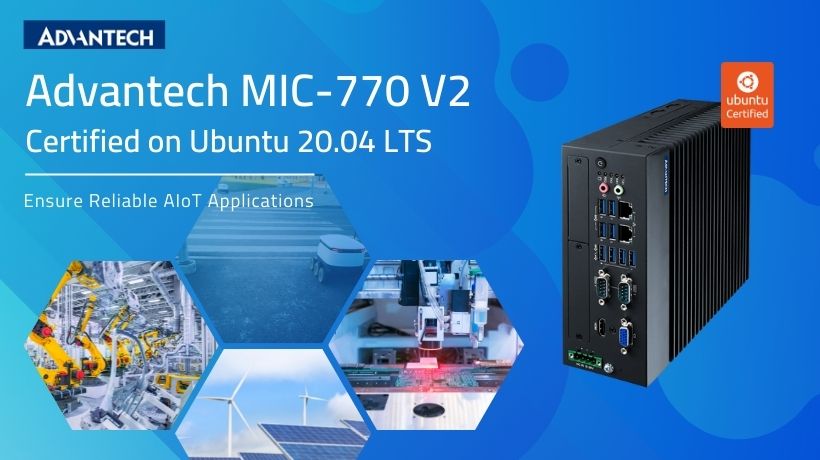
Advantech, a leading global provider of intelligent systems and industrial edge computers, is excited to announce that its MIC-770 V2 modular fanless edge IPC is certified on Ubuntu 20.04 LTS. MIC-770-V2 is powered by a 10th generation Intel® Xeon®/Core™ i socket-type (LGA1200) processor with Intel® W480E chipset, offering excellent compu
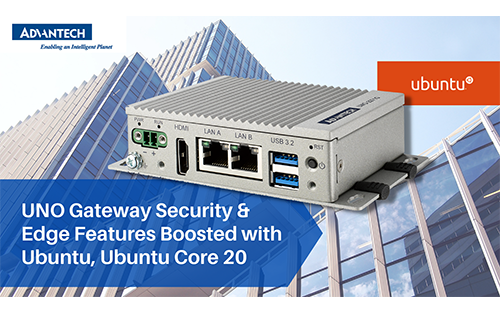
Advantech’s industry-proven UNO platform improves edge features and enhances security with Ubuntu and Ubuntu Core 20 certification.
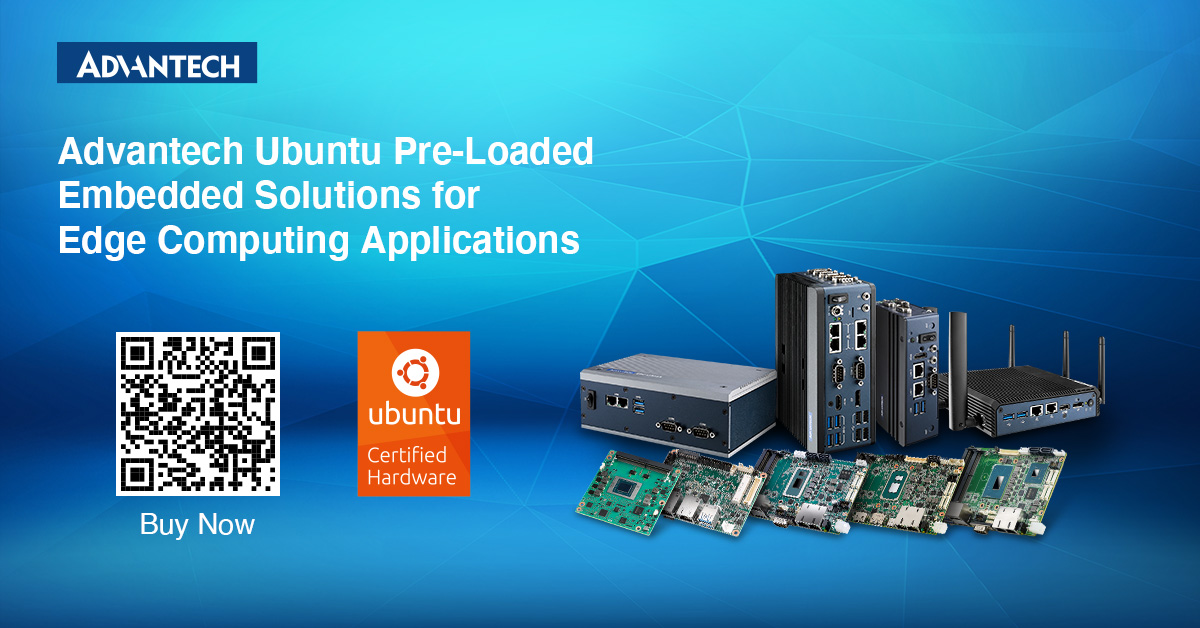
March 2nd, 2022 — Advantech, a leading provider of embedded IoT solutions, has collaborated with Canonical in the provision of Ubuntu pre-loaded and certified embedded boards and systems for diverse edge computing applications. By certifying Advantech products, Canonical, the publisher of Ubuntu, guarantees up to 10 years of Linux securit

Canonical and Advantech have collaborated to help enterprises accelerate Edge AIoT Applications with Ubuntu 20.04 LTS certified on the EPC-U3233, powered by an 8th Gen Intel® Core™ i series processor. This compact fanless embedded PC facilitates data-intensive computing in IoT edge applications. By certifying the Advantech’s EPC-U3233 fo

With rising unit shipments and hardware spending, 2021 will go into the record books as a critical year in the ever-increasing adoption of connected devices. Ubuntu – the modern, open-source Linux operating system for the enterprise server, desktop, and cloud – is rapidly becoming the de-facto standard for Internet of Things ( IoT) device

This is the second part of the two-part blog series covering embedded Linux systems and the challenges brought about by the proliferation of Internet of Things (IoT) devices. In Part I, we surveyed the embedded ecosystem and the role Linux plays within that space. This blog takes you on the next step in the journey,

“Hello everybody out there using minix – I’m doing a (free) operating system (just a hobby, won’t be big and professional like gnu) for 386(486) AT clones. It is NOT portable (uses 386 task switching etc), and it probably never will support anything other than AT-harddisks, as that’s all I have :-(.” [1] The
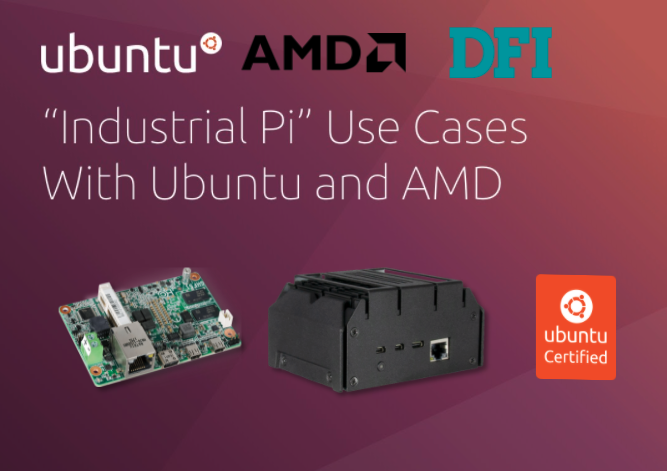
DFI’s GHF51 mini industrial-grade motherboard, and the EC90A-GH mini fanless industrial computer, are the world’s first industrial computer products that have passed the Ubuntu IoT hardware certification and are equipped with high-performance AMD processors. The 1.8-inch motherboard of the Ryzen R1000 processor has the same small size as

DFI is the world’s first industrial computer manufacturer to join the Ubuntu IoT Hardware Certification Partner Program. Three DFI products have been certified recently, which means you will have an out-of-box experience, secure, faster time to market with DFI products and Ubuntu. Ubuntu is preloaded on the certified devices, and Canonica
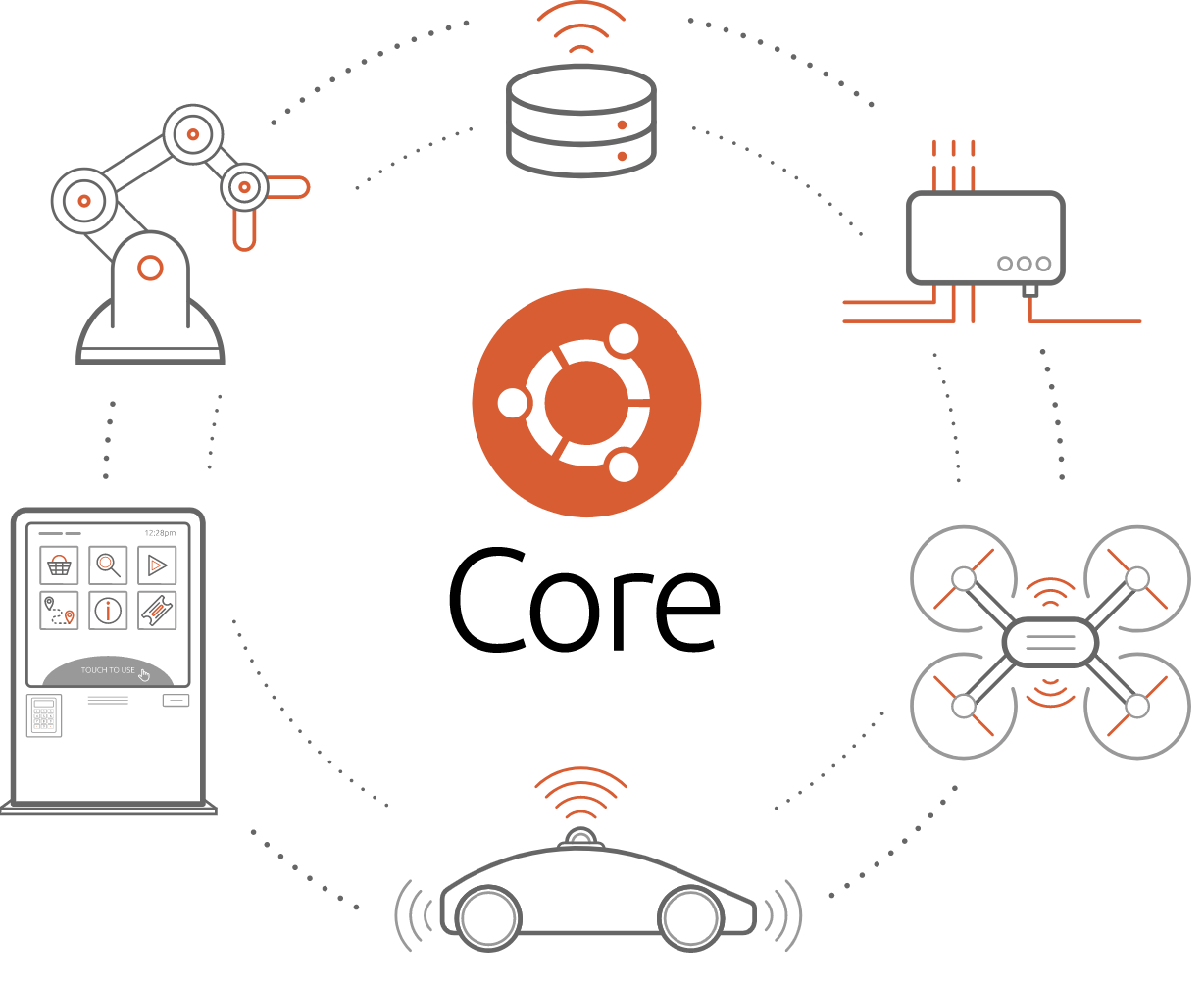
2nd February 2021: Canonical’s Ubuntu Core 20, a minimal, containerised version of Ubuntu 20.04 LTS for IoT devices and embedded systems, is now generally available. This major version bolsters device security with secure boot, full disk encryption, and secure device recovery. Ubuntu Core builds on the Ubuntu application ecosystem to crea
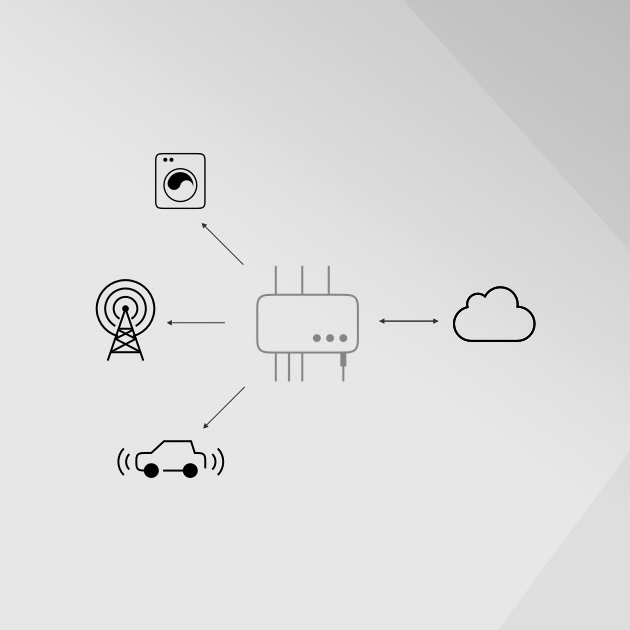
“The King is dead, long live the King.” It might be my french roots speaking, but it seems that actual use cases are replacing King Edge, and it might be for the best. Warning; do not read this blog if you’re particularly sensitive about edge computing (and if you don’t know what this is about,